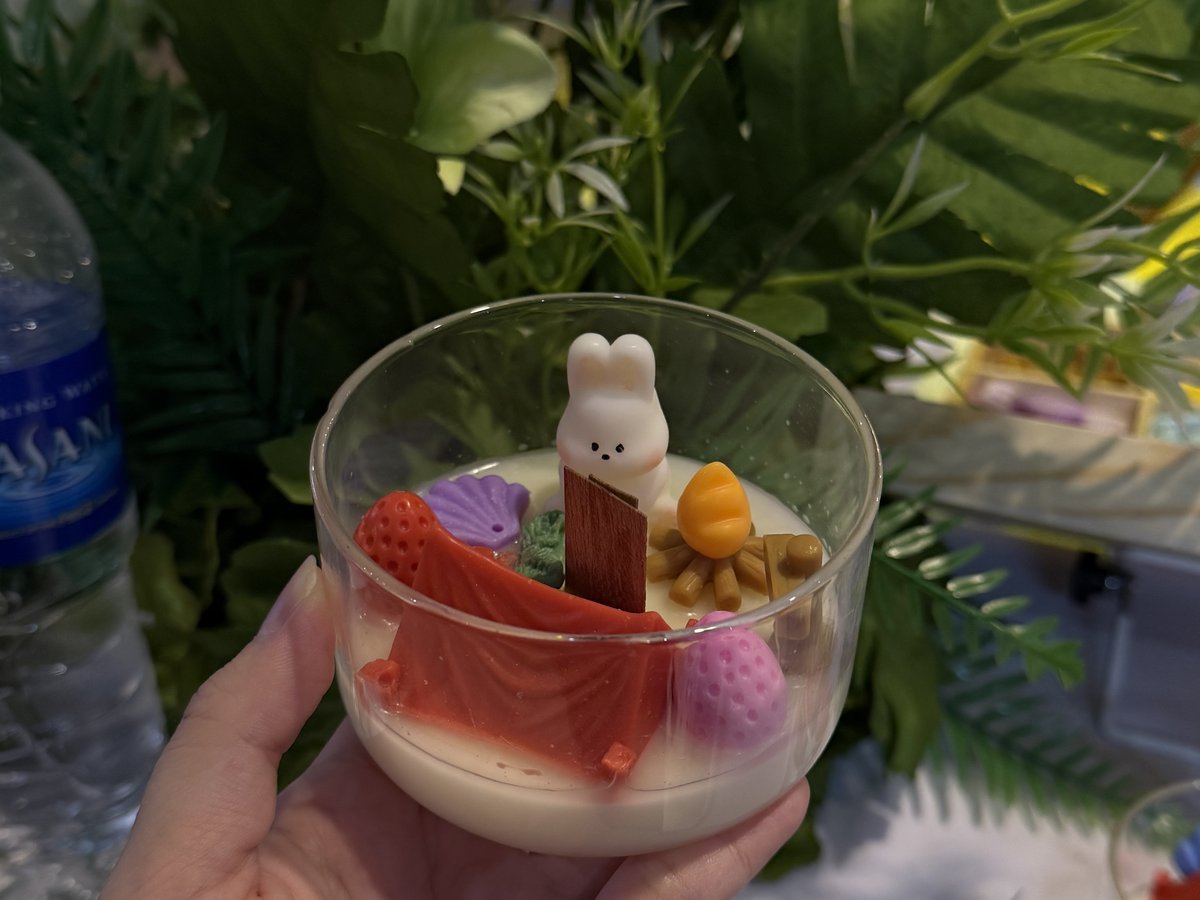
A terrarium workshop gives you a glass container, a handful of plants, and two hours to build a small landscape you can keep on a desk. Here is what the session actually involves, how closed and open builds differ, and what to book instead if you would rather leave with a scent than a plant.
What actually happens at a terrarium workshop
You choose a vessel, usually a jar, a bowl or a geometric glass case. Then you build it up in layers: drainage at the bottom, a barrier, then soil, then the plants themselves. The last twenty minutes are the fun part, arranging moss, pebbles, driftwood and whatever small ornaments the studio has put on the table.
Most sessions run one to two hours. Everything is supplied, the instructor walks the room, and the terrarium goes home with you the same day. It is a slower, more considered craft than it looks from the outside, and the arranging stage is where people lose track of time.
Closed or open, and why it matters
Terrariums split into two families, and which one you build changes how much attention it wants afterwards. A terrarium is simply a glass container holding soil and plants in a climate of its own, and it can be sealed or left open to the air.
- Closed. Sealed with a lid, door or cork. Tropical plants such as moss, ferns, orchids and air plants suit these, because the sealed glass recreates the humid, sheltered conditions they come from. Water circulates inside, which makes a closed terrarium close to self sufficient. Open it roughly once a week so excess moisture can escape, otherwise mould and algae can take hold and cloud the glass.
- Open. Left open, or vented through a drilled hole. Better for plants that dislike sitting in humidity, including temperate species and anything adapted to dry climates. Open builds also suit plants wanting brighter indirect light, since a sealed container can trap enough heat to cook what is inside. They need watering more often, but the lower humidity means less disease.
If nobody at the studio asks which you want, ask them. It is the single decision that determines whether you are caring for this thing weekly or barely at all.
Who it suits
Terrarium building rewards patience and a bit of an eye. It is a good pick for people who like arranging things, for quiet dates, and for anyone who wants a souvenir that is alive rather than decorative. Children enjoy it too, though the fiddly planting stage tends to need an adult pair of hands nearby.
The honest caveat: you are taking home a living thing. If the last three plants in your flat did not survive, a closed build is the forgiving option, and a craft that does not need watering may be the better one.
How to choose a studio
- Closed or open. Check which the session builds before you book, since it decides the aftercare.
- Vessel size. Bigger glass looks impressive in photos and is considerably harder to carry home on the MRT.
- What is included. Plants, soil, decorative elements and the container should all be covered. Ask whether you are choosing your own plants or working from a set kit.
- Aftercare notes. The good studios send you off knowing how to water it. The rest hand you a jar and wish you luck.
- Group fit. Ask about table layout if you are booking for a group. Craft sessions work best when everyone can see each other.
Terrariums are one corner of a much wider craft scene here. Our guide to craft workshops in Singapore covers the other categories worth knowing about.
If you would rather take home a scent
Full honesty: we do not run terrarium workshops. Our lane is wax and scent, not soil and plants. But the appeal of a terrarium session, a couple of unhurried hours making something by hand with a finished object at the end, is exactly what we build our sessions around. These are the closest equivalents.
Paint a candle instead of planting one
Our Candle Painting and Decorating session has the same arranging instinct behind it, choosing colours and building a look, except the result lights up and needs nothing from you afterwards. It suits ages 9 and up, so it works as a family option. The kids' workshop guide covers the age details.
Layer sand instead of soil
The Sand Art Candle session is the nearest thing we run to a terrarium: coloured wax granules layered into glass, built up in bands exactly the way you would layer a planted jar. Same glass vessel, same layering, no watering.
Pipe wax like frosting
The Macaron Candle workshop swaps arranging for piping, cream wax worked into pastel macarons. It is the most tactile session we run and it photographs absurdly well.
What do you want to take home?
Tap one and we will tell you what kind of session fits.
Pick an option above.
Planning a team version? Terrarium building and candle sessions both scale to groups. Our team building guide compares the options by what the team actually gets out of them.
Frequently asked questions
What happens at a terrarium workshop?
You pick a glass container, layer in drainage and soil, arrange the plants, then finish with moss, stones or small ornaments. Most sessions run one to two hours, the studio supplies everything, and you carry the finished terrarium home the same day.
Do terrariums need much looking after?
A closed terrarium is close to self sufficient, because the sealed container recycles its own moisture. Open it about once a week to let excess moisture escape, which keeps mould and algae down. Wilting plants or no condensation on the glass means it wants water, and a spray bottle is the usual tool. Open terrariums need watering more often but carry a lower disease risk.
Does White Pixies run terrarium workshops?
No. We work with wax and scent rather than soil and plants, so our sessions are candle making, candle painting, sand art, wax piping, roll on perfume and reed diffusers. If you want the same hands on afternoon with something scented to take home, those are the closest equivalents.